The card number on a credit card is typically found in the top-left corner or along the front edge. The price for cloned cards varies depending on the credit limit, with an average price of $171. Credit card details can be sold as digital items on the dark web, with the basics costing around $17.36. The average price for a credit card number, CVV, expiration date, cardholder name, and postal code is $17.36.
Since the EMV implementation deadline in 2015, there has been a decrease in in-person counterfeit payment fraud by 80 percent, according to the most recent “Visa Chip Card Update.” “You can go to these forums, and … people will ask to purchase certain types of data, or to learn how to do something,” and others will respond with suggestions of .onion sites, where cybercriminals share information. It’s ‘dark’ if you can’t just walk around and see it—you need special access tools, special permissions, special accounts—things like that grant you or buy you access to it,” explains Chris Novak, director of Verizon Threat Research Advisory Center. The dark web—about 6 percent of the internet—is home to TOR-encrypted sites and many illegal activities. The “surface web” is the portion of the World Wide Web that is readily available to the general public and is searchable with standard search engines, such as Google and Bing—but the surface web accounts for only 4 to 10 percent of the internet, according to various estimates. Many other illegal darknet marketplaces have also shut down voluntarily over the winter for unknown reasons.
ETA members make commerce possible by processing more than $6 trillion in purchases in the US and deploying payments innovations to merchants and consumers. The Electronic Transactions Association (ETA) is the global trade association representing more than 500 payments and technology companies. “You can protect against one thing today, but cybercriminals will change their tactics, techniques, and procedures. “With things like cryptocurrency, ransomware, cryptojacking—all of these things that allow these criminal groups to bring in more money” enable illicit activities. The landscape where these criminals are operating “is undergoing a shift and a change, and that’s something to be aware of.”
Credit cards have become one of the main targets for cybercriminals on the dark web. Additionally, be cautious when sharing personal details online, especially on social media platforms where hackers may gather information for phishing attacks. Start by regularly updating your passwords for online accounts and using strong, unique combinations that include a mix of letters, numbers, and special characters. If you notice anything unusual, contact your credit card company immediately to report the issue. Additionally, fraudulent charges can lead to overdraft fees, late payment penalties, and damage to credit scores.
Protecting Yourself From Dark Web Credit Card Fraud
- More recently, Foss notes, researchers seen these methods employed in the final stages of an attack as a means of covering the criminal's tracks and maximizing profitability, cashing in on a successful intrusion by attempting to secure the ransom payment after data has already been exfiltrated and put up for sale on the dark web.
- “However, cybercriminals put up gift cards for sale as a mechanism for money laundering.
- Criminals highly value access to bank accounts because of the direct financial benefits they offer, which is direct access to a person's money.
- But once you start doing illegal things, like buying drugs or stolen credit cards, that’s when you’re breaking the law.
- To protect yourself, it's crucial to monitor your credit regularly, report any suspicious transactions promptly, and use secure payment methods online.
– Take note of any patterns or recurring issues mentioned in the feedback, such as inconsistency in card quality or lack of response from the vendor. Vendors who offer encrypted messaging platforms or use PGP (Pretty Good Privacy) encryption indicate a commitment to their customers’ privacy and security. Established vendors with a track record of successful transactions are more likely to be reliable.
DDoS Attack Data
They sort cards by issuing bank, geography, and type, since platinum and high-limit cards command premium prices. One compromised payment processor or e-commerce platform can yield thousands of card numbers at once. The pricing varies based on the card type, with premium cards from certain banks fetching higher prices.
Knowledge-sharing In The Carding Community
The BidenCash stolen credit card marketplace is giving away 1.9 million credit cards for free via its store to promote itself among cybercriminals. Platforms such as UniCC function as an underground marketplace wherein credit card details stolen from online retailers, banks, and payments companies by injecting malicious skimmers are trafficked in exchange for cryptocurrency. The administrators of the largest illegal marketplace on the darknet for stolen credit cards are retiring after making an estimated $358m (£260m). It is understood that the data included such highly sensitive information as the primary account number of the credit cards concerned, along with expiration dates and the card verification value, CVV2, security code. A Feb. 21 report by Andrea Draghetti, the head of threat intelligence at D3Lab, revealed that a well-known illegal marketplace and carding site called B1ack Stash has dropped a free giveaway of more than a million stolen credit cards to its users.
Covid-19 Vaccines Being Sold On Darknet
Understanding what happens in these marketplaces is an important part of dark web monitoring. He is enjoying getting to grips with cyber security, especially when it lets him talk about Lego. David Hollingworth has been writing about technology for over 20 years, and has worked for a range of print and online titles in his career. For example, the Shanghai National Police database — with over 1 billion records — will set the budding criminologist back US$1,064. Then, at the upper end, you have complete sets of exfiltrated data of a specific type.
Warning For Would-Be Fraudsters
Prioritize online security, protect personal information, and consider the legal and ethical implications of participating in illicit activities. However, the availability of prepaid cards or vouchers as payment methods may vary among vendors and marketplaces. Engaging in illicit activities carries legal consequences, and there is no guarantee of the authenticity or usability of the purchased credit card information. Engaging in credit card transactions on the Dark Web comes with a host of risks and challenges that individuals must be aware of.
In the ever-evolving landscape of cyber threats, businesses face not only financial losses but also significant reputational damage when targeted by fraud actors on the dark web. On these forums, actors will often share techniques, hacking tools, strategies, and resources for conducting fraudulent activities. These details are primarily sought for physical use, enabling activities such as cash withdrawals from ATMs. It includes critical information such as the bank account number, account balance, service code, PIN code, and card verification code. Join us as we break down and discover the methodologies of card fraud using our dark web monitoring tool, Lunar.
What Should I Do If My Card Is Stolen?
Utilize a reputable virtual private network (VPN) to encrypt your internet traffic and mask your IP address, providing an additional layer of anonymity and security. When engaging in any transaction, it is essential to take protective measures and precautions to safeguard personal information and privacy. These cryptocurrencies offer additional layers of anonymity and privacy, making them attractive alternatives for certain transactions. Due to the anonymity provided by the Dark Web, traditional payment methods are often not acceptable. – Read feedback from experienced Dark Web users or trusted individuals who have had successful transactions with the vendor.
Internet criminals buy and sell personal data on the dark web to commit fraud. Credit card prices vary significantly based on geographical location, fraud detection systems, and the security of banking databases. Criminals can use Fullz to open bank accounts, apply for loans, or conduct other forms of financial fraud. It will show that buying someone’s personally identifiable information (PII) starts at $5, and all the data needed to access a stolen bank account can be had for as low as $200. This latest pack is the fourth credit card dump the carding market has released for free since October 2022, with the previous leaks counting 1.22 million, 2 million, and 230,000 cards. BidenCash launched in early 2022 as a new marketplace on both the dark web and the clearnet, selling credit and debit cards that were stolen through phishing or skimmers on e-commerce sites.
INFOGRAPHIC: Tracking The Evolution Of Loyalty Solutions
The repercussions of dark web credit card marketplaces, including the rise and fall of Joker’s Stash, extend beyond monetary losses. Reaching its zenith as a notorious hub for stolen financial data, Joker’s Stash faced a significant setback when law enforcement agencies collaborated to take it down, along with many other high profile carding sites. The platform, distinguished by the sophistication of its administrators, left an indelible mark on the cybercrime landscape, and became the central marketplace for stolen card data, outclassing all competitors. I’ve seen cases where security teams identified compromised card data from their institution appearing on the dark web weeks before they traced the actual breach point. The impact of dark web credit card fraud extends far beyond individual card holders.

A 2019 data leak of another shop, BriansClub — which appears to have been by a competitor, according to Threatpost —shows how pervasive this trend has become. And those participating make some serious (illegal) cash. As data breaches become more common, and scammers grow more sophisticated, this is a reality many people are having to contend with. Research and financial considerations may influence how brands are displayed. Information in the listings was entered into a spreadsheet for data analysis and statistical calculations.
- The Dark Web provides a platform where fraudsters can monetize stolen credit card information, posing a significant threat to individuals and financial institutions alike.
- Alongside the trade of credit card data on the dark web, complimentary tools named checkers are often offered and sold on the dark web.
- Despite the pseudonymous nature of cryptocurrencies, law enforcement agencies and cybersecurity experts have developed sophisticated techniques to trace these transactions.
- It is considered very secure thanks to strict user validations and transparent payment and vendor review procedures.
“There are sites out there where they ‘rack and stack’ them, and say how much exactly a specific card is worth,” agrees Wilson. That’s basically a money laundering machine because they buy all that merchandise and put it on sale on the open web.” This process turns dirty money into legitimate funds that criminals can use to buy cars, houses, and more. There are multiple forums and websites where they can put the information up for sale, and other criminals will buy it and use it.
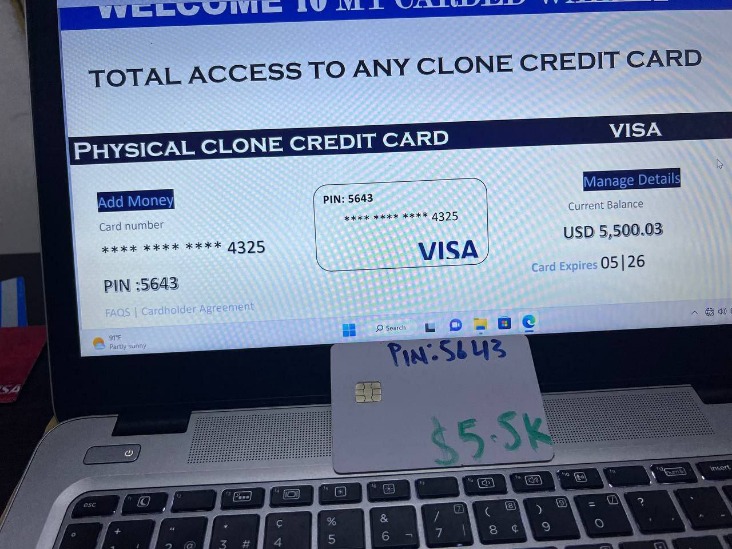
I can’t say for certain, but I’ve always seen carding as a more ‘hardcore’ form of cyber crime—at least from a criminal’s perspective. There are entire websites, channels, and forums dedicated specifically to carding. Contrary to popular belief, most carding platforms no longer hide in the dark web (i.e. the Tor network).
These systems can often identify when stolen card data is being tested before major fraud attempts begin. While consumers are typically protected from direct financial losses, dealing with credit card fraud is incredibly disruptive. Banks and credit card companies lose billions annually to fraud, but the real cost isn’t just in fraudulent transactions. In Vice’s 2018 video, the anonymous credit card scammer is asked about the people whose payment information is being stolen. A 2018 special report from Vice shows an anonymous scammer browsing stolen credit card numbers on the dark web.