Couriers employed by vendors would hide drugs throughout the city prior to transactions taking place. However, our informants suggested that these accounted for a substantially smaller proportion of transactions than drugs. The stark difference between Hydra and its counterparts that operate in Western countries is the length of time it was able to continuously operate without intervention from law enforcement. Also, a small proportion of the drug trade continued offline, particularly amongst marijuana growers and economically disadvantaged opiate users who did not have access to the Internet. However, these were less popular and focused on selling drugs locally in specific cities and districts. However, there are no comprehensive surveys of drug use in Russia that would allow us to properly estimate the market share of Hydra relative to traditional street trade.
Training, Capacity Building, And Public Private Partnerships
He added that Russian-based DNMs such as Blacksprut and Kraken Market generate “substantial profits,” are technologically advanced, and have become “deeply embedded” in regional drug economies. According to Redbord, the typical lifespan of a drug-focused DNM is around two to three years, at which point it’s either abandoned or shut down. “This number has remained relatively stable over the years due to risk, profitability, and law enforcement pressure.” He added, “As seen in prior takedowns (e.g., AlphaBay or Hydra), these platforms often involve distributed teams with clearly defined roles to ensure uptime, user trust, dispute resolution, and secure cash-out mechanisms.”
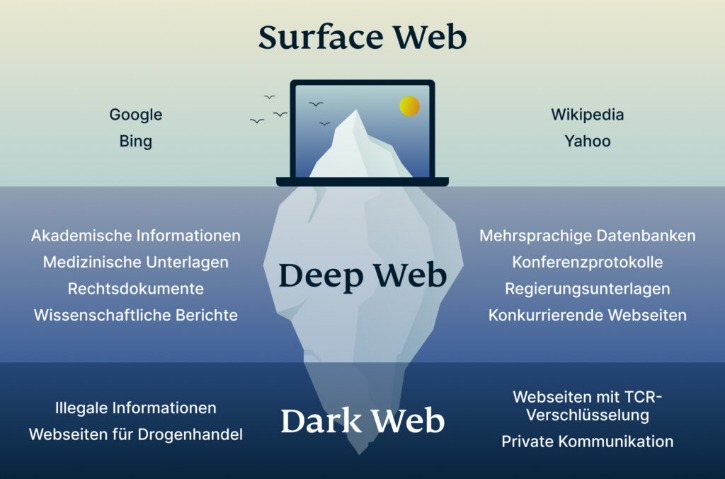
Some countries restrict access to anonymity tools altogether, while others monitor them closely for signs of criminal behavior. While it enables privacy for legitimate activities such as whistleblowing, political dissent, or private communications, it is also used for illegal operations. This includes databases, academic journals behind paywalls, webmail accounts, online banking, and intranet systems. This includes news sites, blogs, online stores, and social media platforms. Over time, developers created services hosted on Tor’s network, often called “.onion” sites, that could only be accessed using Tor. Threat actors use the dark web to coordinate attacks, distribute exploits, and monetize their operations.
- In short, police can’t decrypt Tor traffic at will, but through network level surveillance or browser exploits, they have occasionally unmasked users.
- This supports damage control efforts and helps prioritize which systems, users, or customers require urgent remediation.
- It maintains a very strict level of user verification and integration with an official Telegram account to provide real-time updates to users.
- And indeed, there have been instances of law enforcement hacking tools getting out the NSA’s leaked exploits come to mind, though that’s intel agency, not police.
What If I Am Only Buying Legal Items Off A Market? I’m Not Breaking Any Laws Then, Am I?
Also, note that while using Tor is legal, doing so might draw a bit of extra scrutiny if, say, your workplace or school monitors network traffic they might wonder why you’re using Tor. Simply accessing the dark web is not illegal in most jurisdictions, including the U.S. and European countries. And of course, international information sharing systems like Europol’s SIENA network could be considered a tool that helps coordinate these complex cases. It’s worth noting that privacy coins like Monero are much harder to trace by design, their ledger obfuscates sender/receiver amounts, and law enforcement usually can’t follow those directly.
- There have been multiple cases of dark web users being identified and arrested, proving that Tor isn’t a guarantee of impunity.
- In addition to dealing in prohibited materials, the indictment also charges Parsarad with offering money laundering services, with Nemesis used to mix the cryptocurrencies used to pay for goods and services.
- Law enforcement agencies do monitor these spaces, and just because it’s anonymous doesn’t mean you’re invisible.
- “Working through the JCODE initiative, IRS Criminal Investigation and our international partners led the largest and most impactful takedown to date—seizing over $200 million in assets, removing deadly drugs and weapons from circulation, and holding more than 270 individuals accountable.
- Additionally, informants suggested that there were other online venues to buy drugs in Russia, particularly individual shops operating via Telegram groups and bots.