Thus, these advancements and new investments are promoting the development of modern bricks with enhanced quality and sustainability. The expanding construction sector is also driving the demand. The growing housing initiatives are increasing the use of bricks in the UK. The industries are therefore developing sustainable and modern bricks, which are supported by government initiatives. Additionally, stringent building regulations promoting durability and thermal insulation contribute to increased brick usage. They are also focusing on the development of eco-friendly bricks.
The LEGO investment landscape extends far beyond just "LEGO flippers" buying and selling new-in-box sets – that's only about 30% of the overall secondhand/resale LEGO market. The WILCO Core Index is built of actual total tracked sales of used and secondhand LEGO from Ebay and Bricklink, + data for select brick & mortar locations that share or disclose their data. Details on our estimating methodology can be found in our latest market research reports.
- Increasing sensitivity towards the environment is going to stay in the trend and hence spur innovation within brick manufacturing processes in order to trim carbon footprint and improve energy efficiency.
- An open-air market, the popular Newport destination is tucked between Thames Street and Americas Cup Avenue and is home to more than two dozen shops and restaurants.
- Eco-friendly bricks, incorporating recycled materials or utilizing low-carbon production processes, align with green building initiatives.
- The other major application of bricks is in the formation of paths and pavements.
- By the early 20th century the Brick Market was in poor condition, but it was restored in the 1920s by Norman Isham, an architectural historian and professor who specialized in preserving colonial-era buildings in Rhode Island.
Size Insights
Industrial customers favor acid-resistant bricks for furnace linings and chemical-processing pits, reinforcing a diverse end-use spread that shelters producers from single-sector downturns. Only a handful of early adopters own patents, hinting at near-term licensing revenue streams that could reshape profit pools within the brick industry. European makers in the brick industry confront escalating compliance costs as the EU Emissions Trading System expands and the Carbon Border Adjustment Mechanism phases in during 2026–2030. Heidelberg Materials reports AI-guided batching systems that trim cement use by 20%, a benefit passed along to the brick industry dedicated to modular packages. Modular builders require lightweight, high-strength hollow bricks that integrate with panelized frames.
As eco-friendly construction practices benefit prominence, there may be growing call for sustainable building substances. The increase in infrastructure is particularly strong in growing areas, in which urbanization necessitates new construction and preservation tasks. Government projects assisting housing infrastructure and growing consumer desire for single-own family houses in addition propel this demand. The pandemic highlighted the want for adaptable and sustainable construction answers, similarly, influencing market trends. However, the market has shown resilience, with a sluggish recovery as regulations eased and construction sports resumed. The sudden rise in CAGR is attributable to the market’s increase and demand returning to pre pandemic levels once the pandemic is over.
Brick Market Revenue, Prospective Segments, Potential Countries, Data And Forecast
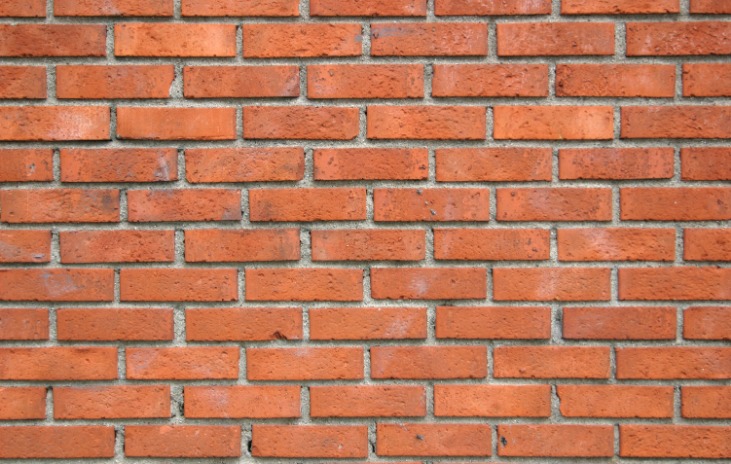
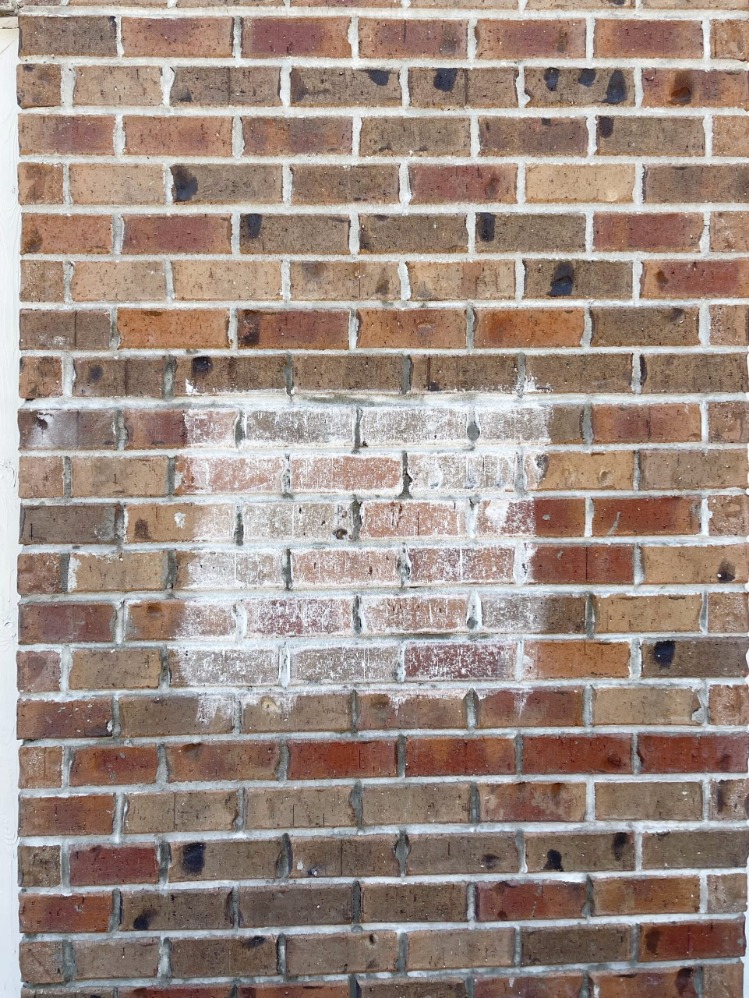
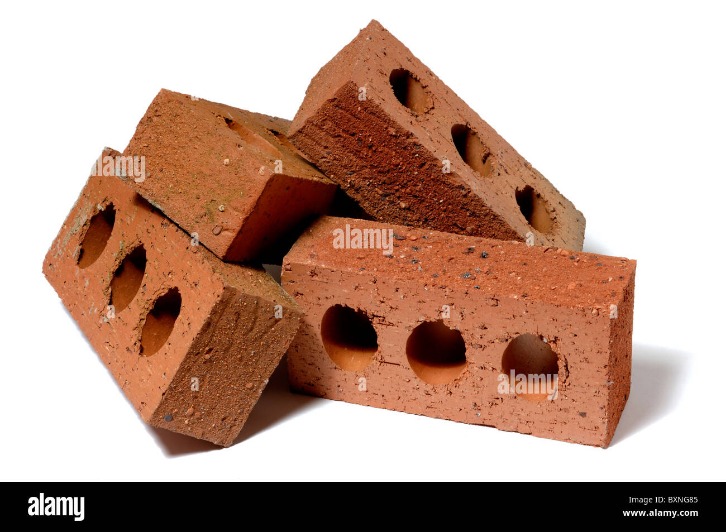
Brick is a type of block used for building walls, pavements and other elements in masonry and building construction. Intellectual-property ownership in char-based thin bricks and 3D-printable fly-ash mortar positions start-ups for licensing or joint ventures with incumbents needing rapid ESG upgrades. The continent imported over 500 million bricks in 2022, generating 288,190 tonnes of CO₂, prompting calls for onshoring greener capacity. Fly-ash bricks gain traction among designers chasing LEED points, while thin-brick panels speed up urban multifamily builds.
Brick Lane Market London Sunday Markets, Food Stalls, & More
Governments and developers press towards energy-efficient construction methods and, therefore, increase demand for bricks with higher insulation and lower carbon emission. In effect, these bricks easily become favored in sustainable construction methods, hence serving to achieve the global goal of low ecological footprint. What is more, increasing advanced building technologies and construction methods are likely to further augment the growth of the market in due consideration. Such integration would maintain not only the functionality of bricks but also help the cause toward broader trends leading to smart infrastructure and practices in sustainable construction. The fluctuation in the cost and availability of clay and shale as raw materials is expected to impact the cost of production of bricks. New zones require numerous new constructions where urbanization demands renewal and redevelopment with increasing bricks application in these areas.
Geography Analysis
Additionally, standard brick sizes help ensure structural integrity and stability in buildings. The standard segment registered significant growth in 2022 due to the growing real estate sector and increasing demand for residential colonies or societies. In terms of size, the global market is bifurcated into standard and modular. The extrusion segment dominated the market in 2022 due to its ability to manufacture high-quality and greater strength bricks. Based on process, the bricks market is bifurcated into extrusion and molding. The residential buildings segment held a large share of the market in 2022 due to the economic expansion and growing middle class and working population.
Manufacturers in the brick industry exploit colorfast clays and high-friction textures to serve landscaping customers seeking design variety with low maintenance. Thin-brick slips and mechanically fixed veneers let masonry suppliers stay relevant, yet overall unit demand dips where full-bed bricks are displaced. This growth is supported by sustainable building material trends and innovative manufacturing processes, leading to substantial market value appreciation and increased investment opportunities. The expanding industries are also driving their demand, promoting the market growth. The region's focus on sustainable and energy-efficient construction aligns with the eco-friendly attributes of modern bricks.
Unique Shops And Eateries
In this regard, technological development became the main and simultaneously the capstone force in the historical process of brick making. From Bigbloc Construction Ltd. in North America to the Brampton Brick in Europe, all these substantial contributors have been major components in the technological advancement and market expansion alike. In light of this strategy, the firm is well-positioned against growing competition in the global arena. Acme Brick Company represents the best in the industry. Increasing sensitivity towards the environment is going to stay in the trend and hence spur innovation within brick manufacturing processes in order to trim carbon footprint and improve energy efficiency. Growth patterns in the South American and Middle East & African regions differ, driven by underlying factors currently caught between economic development, urban expansion, and government investment in infrastructure.
Brick Market Report
The brick market is segmented by brick type, Application, and geography. South America’s brick market pivots on warehouse and logistics developments catalyzed by e-commerce. Building applications accounted for 60% of brick market share in 2024, reflecting masonry’s historic role in structural walls and facades. Collectively, these innovations reinforce the brick market goal of decarbonization without sacrificing structural reliability. Sub-Saharan initiatives are catalysts for the brick market as authorities aim to solve acute shelter shortages.
In residential production, the surge is fueled by way of urbanization and the need for less costly housing, especially in emerging economies like India and China. The market's healing was additionally driven by way of the increasing want for less costly housing and urbanization, specifically in rising economies. During the preliminary phases of the pandemic, lockdowns, social distancing measures, and delivery chain interruptions led to the suspension or postponement of many construction projects. The COVID-19 pandemic appreciably impacted the Concrete Block and Brick Market size, causing a temporary decline in call for because of disruptions in creation activities. The Bricks market is highly fragmented, and the competition is intense. Some of the major players in the Bricks market are Wienerberger AG, Boral Limited, CRH plc, Acme Brick Company Inc., and General Shale, Inc.
Global Brick Market, By Distribution Channel Market Analysis (2024 –
Other brick innovations include interlocking designs for more rapid assembly and lighter types for seismic regions attributed to improving overall structural performance. Therefore, the schemes on affordable housing and other urban infrastructural projects with major investments are the factors that will spur demand to a large extent in the near future. Economic volatility or other geopolitical factors can exacerbate the foregoing challenges and impact market dynamics in an unpredictable way. Increasing population propels further urbanization, which supports the need for affordable housing and infrastructure.
Struggling With Knowing What To Do In London?
This enduring eminence has developed due to certain features intrinsic to bricks—features of strength, wide applicability, and aesthetic appeal that make them an important necessity in most building projects. The Global Brick Market comprises an integral segment of the value chain of the construction materials industry; it lies at the confluence of classic artisanship and modern engineering. Furthermore, the report presents national and regional assessments, considering the dominant forces of supply and demand that influence market growth. "Asia pacific dominance stems High construction demand, urbanization, and cost-effective materials." Overall, those elements contribute to slower market increase and decreased stability within the concrete block and brick enterprise.
Moreover, growing construction activities in the region is propelling the demand for bricks as they are used to construct various types of structures such as walls, arches, and pavements. Autoclaved aerated concrete bricks have excellent durability and thermal insulation properties that keep the building cooler and prevent outside heat from entering. This makes bricks the perfect solution for reconstruction & repair of infrastructure.
Bricks are used for the reconstruction & repair of infrastructure as they are weather and age-proof and are able to withstand even the harshest conditions, from cyclones and severe marine environments to wildfire-prone areas. Thus, rising urbanization is propelling the global market. Bricks are widely adopted for construction purposes to create walls and buildings as they have a greater lifespan as well as do not rot, dent, or need to be painted. Therefore, rising construction projects worldwide are propelling the market. For each segment, the market sizing and forecasts have been done on revenue (USD million).
Growth in population and urbanization represent important drivers for the brick market. Basically, bricks are made from clay, which is formed into various sizes and shapes and then burnt at high temperatures to gain strength and resilience. This flow not only bolsters the agency's market role however also contributes to the general advancement of the concrete block and brick industry. In contrast, Western markets face higher fees and stringent environmental guidelines that restrict the usage of conventional concrete blocks and bricks.