Dark web monitoring and threat intelligence firms like Cyble help mitigate these risks with advanced AI-driven threat intelligence solutions. By leveraging both dark web monitoring and threat intelligence, organizations can better protect themselves from cybercriminals. Despite its focus on illegal activities, it also features discussions on programming and cybersecurity, providing a mix of topics for its diverse user base. The forum is notorious for its role in facilitating unauthorized access to networks and distributing malware. FreeHacks, a Russian-based forum, is one of the largest hacking communities in the world. CryptBB is a highly encrypted dark web forum that caters to elite hackers and cybercriminals.
Proactive Real-time Bot Mitigation And Management
BreachForums is notable for its vast database, with over 15 billion records from 936 datasets. It re-emerged on June 12, 2023, under ShinyHunters, a notorious threat group. The blog is not a substitute for obtaining any legal, financial or any other form of professional advice from a suitably qualified and licensed advisor. By using the blog, you agree that the information on this blog does not constitute legal, financial or any other form of professional advice.
If you notice any discrepancies, report them immediately to your financial institution. Additionally, raising awareness among the general public about the risks of sharing personal information online and promoting safe online practices is crucial. The financial burden of legal fees added to his already dire situation, leaving him in a state of despair.
See how Imperva Bot Management can help you with online fraud. These APIs can be vulnerable to attacks, such as JavaScript injection or the rerouting of data, if not incorporated with the appropriate security. You can use behavioral analysis technology to analyze user behavior and detect anomalies – users or specific transactions that are anomalous or suspicious.
Better Understanding Of Cybercriminal Tactics:
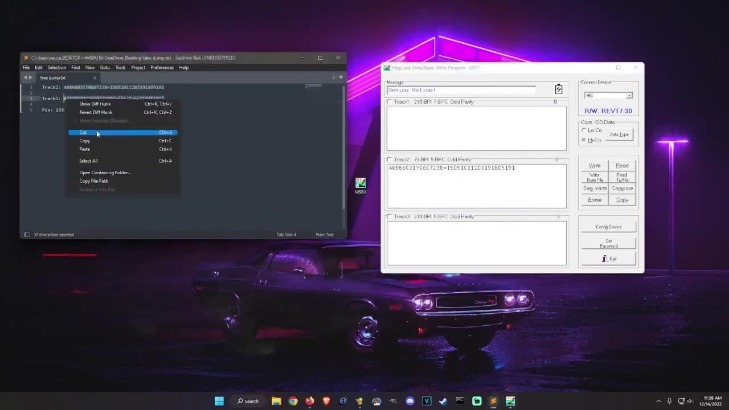
By strategically releasing millions of stolen credit card details for free, the marketplace has garnered significant attention—both from cybercriminals looking to exploit the data and security researchers tracking its impact. A few days later, it was announced that six more suspects had been arrested on charges linked to selling stolen credit card information, and the same seizure notice appeared on more carding forums. Carding forums serve as a thriving marketplace for cybercriminals to sell and trade stolen credit card information, personally identifiable information (PII), and hacking tools. Launched in 2023, STYX focuses on financial crime, providing stolen credit card data, hacked bank accounts and access to various cryptocurrency laundering tools. Carding is a type of payment fraud that involves testing stolen credit card information on merchant websites to verify if the details are still valid. Tutorials range from guidance on using legitimate websites with stolen credit cards, to tips on avoiding IP address flagging and methods for exploiting mobile payment services and cryptocurrencies to drain funds.
Attack Example: Carding Gift Cards
Sophisticated fraud detection systems use artificial intelligence to identify unusual purchasing patterns and behaviours. Carders also use randomised bots to mimic human behaviour and bypass fraud detection, while distributed bot networks spread out activity to avoid drawing attention. Carding contributes to identity theft, financial losses for individuals and businesses, and a wide range of other cybercrimes. The world’s most successful platforms and marketplaces, including Shopify and DoorDash, use Stripe Connect to embed payments into their products.
HUMAN Protects Against Carding Attacks
- Prevention tools include CAPTCHA, velocity checks, IP blacklisting and geofencing as well as device fingerprinting.
- Cyberint conducted an in-depth analysis of a subset of the leaked payment card data involving six major local banks, totaling 45,195 cards.
- This huge growth in e-commerce has made online fraud increasingly attractive to organized criminal groups and carders.
- These services help criminals execute complex schemes and evade detection.
- BleepingComputer has discussed the authenticity with analysts at D3Lab, who confirmed that the data is real with several Italian banks, so the leaked entries correspond to real cards and cardholders.
The practice drives significant financial losses, fuels identity theft, and remains a persistent threat across the cyber crime landscape. LifeLock offerings may not cover or protect against every type of crime, fraud, or threat we write about. Understanding how carding works is a good first step toward protecting your finances, but it’s just the start. Shoulder surfing is a low-tech way for carders to steal card information by watching secretly as you enter your card details in a public place. Some scammers create fake online stores that mimic legitimate e-commerce websites to trick people into entering their card information, believing they’re making a real purchase. When they target businesses that process transactions, like ecommerce websites, they can steal or leak large volumes of customer information in a data breach.
Ivan Khamenka is a cyber-threat intelligence analyst on the ReliaQuest Photon Research team. This is especially critical as carders’ tactics and techniques continue to evolve. One forum member claimed, “People are prepared to buy anything and anywhere, in the hope of finding something suitable.” Will desperation still fuel sales? And at least some threat actors still believe that they can squeeze money from this type of cyber crime.
How To Conduct A Secure Code Review – Tools And Techniques
The threat actor's marketing strategy involves leaking a large number of credit cards to attract potential clients from hacking and cybercrime forums. Platforms such as UniCC function as an underground marketplace wherein credit card details stolen from online retailers, banks, and payments companies by injecting malicious skimmers are trafficked in exchange for cryptocurrency. Besides the damage caused to card owners, a carding attack can negatively affect businesses whose websites are used to authorize stolen credit cards. Carding (also known as credit card stuffing and card verification) is a web security threat in which attackers use multiple, parallel attempts to authorize stolen credit card credentials. As B1ack’s Stash prepares to release its trove of stolen credit cards, law enforcement agencies and cybersecurity firms are working around the clock to trace the origins of these breaches and prevent further exploitation. The cybersecurity community is on high alert as B1ack’s Stash, a known marketplace on the dark web, has announced a massive leak of 4 million stolen credit card details.
Based on the intelligence Cyberint gathered during our investigation, we discovered that the threat actor or group has been active in carding forums as far back as last year under the profile “B1ack,” formerly known as “blackclub,” and often referred to by users as “king.” B1ack’s Stash, a new dark web marketplace, recently gained significant attention by releasing 1 million stolen credit card details for free upon their debut on April 30, 2024. Its site is active and stolen credit card data appears to be updated routinely. Active since 2017, Yale Lodge is a major vendor of stolen credit card information (also referred to as a “carding market”). Altenen is a lesser-known but highly active dark web forum focused on credit card fraud and other forms of financial crime.
As part of behavioral analysis, try to analyze as much data as possible, including URLs accessed, site engagement metrics, mouse movements and mobile swipe behavior. Fingerprinting technologies can create a unique device, browser and cookie identifier, which, if shared by multiple logins, raises the suspicion that all those logins are part of a fraud attempt. The crooks then used the validated gift card numbers to make purchases. Criminals used this bot to enumerate through possible gift card account numbers, and automatically request the balance account of each card number. Hackers designed a malicious bot named GiftGhostBot to hack gift card balances. Carding typically results in chargebacks – these are disputed transactions that result in a merchant reversing the transaction and refunding the purchaser’s money.
Carding is a serious financial crime, and those caught can face criminal charges. Businesses and consumers can also pitch in by reporting fraud promptly. They usually use techniques like tracing IP addresses, identifying patterns in fraud, going undercover, and running sting operations in dark web markets. Surfshark’s Alternative ID lets you create email addresses with a customizable online persona to protect your real identity. These options use tokens or one-time codes instead of your actual card numbers, adding an extra layer of protection. When browsing, shopping, or banking online, be wary if you’re redirected to websites that feel off or have slightly altered URLs.
Why Cybercriminals Use Dark Web Forums
These tools enable them to conduct attacks on individuals, businesses, and institutions. Cybercriminals can purchase or exchange hacking tools, malware, and exploits. This reduces the risk of scams and builds trust among users. These services act as intermediaries, holding funds until both parties fulfill their obligations.
- These measures include tools designed to obscure the identities and activities of its members, such as proxy servers and encrypted email services.
- It is important to research and utilize these options to avoid falling into the trap of credit muling.
- Fraudsters then use or sell these verified cards, causing financial loss and chargebacks for ecommerce businesses.
- According to Finances Online, carding attacks have tripled over the past 10 years as card testers become more sophisticated and persistent.
- Preliminary analyses suggest that the stolen credit card data was likely obtained through phishing campaigns, malware attacks, and compromised e-commerce platforms.
And payment processors can block all transactions if carding attacks are not handled quickly, which can result in lost revenue to the retailer. Payment networks like Visa and Mastercard keep lowering the thresholds for chargeback and CNP credit card fraud and hold merchants accountable with increasing fines and penalties. The stolen information used in carding attacks may include the cardholder’s name, credit or debit card number, expiration date, CVV code, zip code and birthday.
Troubled Dark Web Carding Market Loses Another Key Vendor As FBI Seizes SSNDOB
In this blog, we examine the series of rather unique events that led to this threat actor’s peculiar downfall. It became the official sponsor of at least one prominent cybercrime forum and held verified status on many others. Many carders follow the trend of creating pseudonyms for themselves, using names of prominent politicians or media personalities. Cyble’s platforms, such as Cyble Vision, monitor the dark web for emerging threats, providing real-time insights to protect organizations from cybercrime.
From adopting secure online habits to utilizing reliable security measures, safeguarding ourselves against carding attacks is of paramount importance. As individuals who navigate the online landscape, it is crucial to equip ourselves with the knowledge and tools necessary to protect our personal information and financial security. Their bank accounts may be drained, credit cards maxed out, and loans taken out in their names without their knowledge. The human cost of carding and credit muling cannot be understated, as innocent individuals and businesses suffer severe financial and emotional consequences. The consequences for individuals caught participating in carding forums can be severe, ranging from legal prosecution to reputational damage.