We believe everyone should be able to explore the internet with privacy.We are the Tor Project, a 501(c)(3) US nonprofit.We advance human rights and defend your privacy online through free software and open networks. With Tor Browser, you are free to access sites your home network may have blocked. We use your data to provide and improve our product offerings, deliver best services, and help consumers avoid falling prey to phishing and cyber security threats. The dark web can be intriguing, but it’s imperative to take precautions to ensure your data protection and keep away from malicious activities.
How Do I Know If A Site Is Safe?
Hackers stole the data and threatened to upload it to the web if the site did not close down, and they eventually acted on that threat. Infamous examples of Dark Web sites include the Silk Road and its offspring, such as Dream Market. The visitor has to use the same encryption tool as the site and – crucially – know where to find the site, in order to type in the URL and visit. Some use similar services such as I2P, for example the Silk Road Reloaded.
How Do I Verify An Onion Link Is Safe?
Journalists in overly restrictive countries also appreciate the anonymity of the dark web. In 2002 the dark web began to grow significantly when researchers backed by the U.S. Freenet was originally intended to provide a way to anonymously interact online, providing ways to communicate, exchange information and files, and to otherwise communicate incognito.
Use A VPN To Stay Safer On The Dark Web
Such people can be opposition figures from dictatorship-led countries, politically oppressed individuals, whistleblowers, or journalists. They exchange sensitive information and data, and, at times, have to risk their lives or those of their informant if they don’t share data under the safety of the deep web. Given the dark web and the dark net’s anonymity principle, individuals can express themselves on unpopular issues but within the law. The dark web is designed to protect private information, keeping sensitive data out of the public eye.
There are many different ways to access the dark web, but navigating it can be tricky and dangerous if you don’t know what you’re doing. This website allows you to type in your email address or phone number and see if it’s been compromised in any data breaches. The Tor network was created by the US military in the 1990s for anonymous communication between spies over the internet. Many dark websites are perfectly legal and safe to use and, in many cases, are better for your privacy than clear websites. Alternatively, users can connect in opennet mode, which automatically assigns peers on the network.
Silk Road became one of the most famous online black markets on the dark web for illegally selling drugs. The dark web is infamous for containing sites such as Silk Road and other marketplaces where users could potentially buy drugs and/or weapons, stolen credit cards, IDs, and much more. Unlike the surface and deep web, you can’t access the dark web via a standard or specialized search engine. You can also find email messages, online bank statements, and much more information on the deep web – information that is usually private and inaccessible by the public on the surface web. The deep web is basically all the content that you can’t find using Google or Yahoo search.
How To Get On The Dark Web Safely (Extensive Tutorial)
Many people think of the dark web as a mysterious or dangerous place, but it’s simply a collection of websites only accessible through special tools. These pages come with extra protections for user anonymity and data security, and you need special software to access them—you can't get at them through your normal web browser, like you can with much of the rest of the deep web. It’s huge, making up about 90% of the internet, but it’s mostly mundane, hidden behind login screens for privacy and security.
Search Engines
Some consider VPN over Tor more secure because it maintains anonymity throughout the entire process (assuming you pay for your VPN anonymously). The VPN over Tor technique is also susceptible to an end-to-end timing attack, though it’s highly unlikely. Internet traffic first passes through the Tor Network, and then through the VPN. The exit node decrypts your traffic and thus can steal your personal information or inject malicious code. The final relay before your traffic goes to the destination website is known as the exit node. Tor over VPN also doesn’t protect users from malicious Tor exit nodes.
Restricted Content
VPNs, proxies, and alternative privacy-focused networks like I2P and Freenet also offer unique advantages. When considering anonymous browsing, Tor isn’t the only option available. Adhering to these methods will help you safely locate legitimate resources while minimizing exposure to potentially dangerous or fraudulent sites on the Dark Web. By following these straightforward steps, you significantly reduce the risk of exposure, protect your digital identity, and ensure a secure and anonymous browsing experience on the Dark Web. Follow this step-by-step guide carefully to ensure safe, anonymous, and secure access to the Dark Web using Tor.

How To Access Your First Dark Web Or Onion Site
On the dark web, you’re expected to find illegal and prescription drugs (including Marijuana). It means that the dark web contains illegal and disturbing content. It anonymizes your traffic by routing it through multiple volunteer-run servers around the world (known as onion routing), encrypting it at each step of the way. It also adds a crucial layer of encryption before your traffic even enters the Tor network.
Well, VPN over Tor is basically its opposite – instead of going through the VPN first, the signal passes through the Tor network, before going through the VPN. Not very safe, but it’s still useable. Well, it’s really not that complicated – using the Tor over VPN method means connecting to a VPN service before using the Tor browser. This multi-layered redirection ensures your actions leave no trace, offering a high level of anonymity. By using Tor, and especially in combination with a VPN, your internet signal is encrypted, making it invisible to your ISP. Tor relays are servers run by volunteers, designed to keep your activities private and untraceable.
How To Get Started With Tor Browser – A Web Browser Designed For Privacy
- More importantly, even the VPN service will now see what you’re doing inside Tor.
- These dangers can lead to financial loss, legal trouble, or compromise of personal data and devices.
- And if you liked this article, follow us on LinkedIn, Twitter, Facebook, and YouTube for more cybersecurity news and topics.
- The Tor network operates as a free, volunteer-driven infrastructure designed to enable anonymous communication online.
It’s not a secret that ISPs (Internet Service Providers) and the FBI are tracking Tor users. It’s important to arm yourself with a good VPN (Virtual Private Network) when you want to enter the dark web to protect your privacy and anonymity. So, to get into the Tor network, follow the steps I’ve listed below.
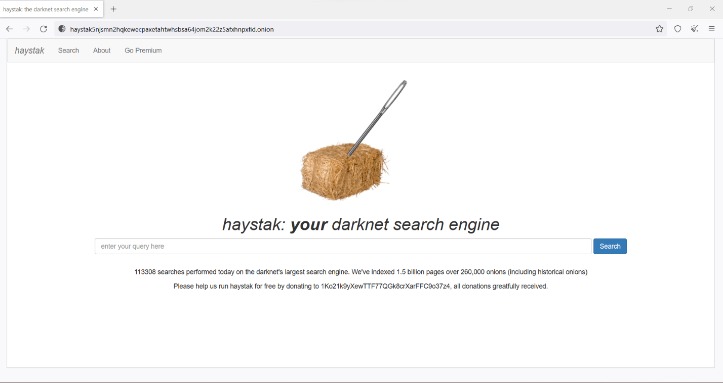
There are plenty of malware actors waiting for someone to be curious and wander around aimlessly. If you’re thinking of connecting to the dark web for the first time, here are some steps to ensure that you don’t fall into malicious hands or legal trouble. You need to have an onion website link to copy/paste into your Tor browser. Other dark web aggregate or searchable indexes would be Not Evil, Torch, Haystack, and Ahmia.
If you’re in a restrictive country, you’ll be crossing the red line and authorities could be at your heels. A lot of illegal activity takes place on the dark web, and engaging in any of that activity can be a criminal offense. This is because Tor traffic is usually unencrypted when it passes through the exit node.

Simply accessing the dark web and using the Tor browser may already raise government suspicion. Tails always starts with a clean slate and any evidence of the activities you engage in while using Tails disappears when you shut down Tails. While this is good advice for any type of web browsing, be particularly careful not to offer up any personal details, such as your credit card info or email address.
Your traffic is then bounced through a series of volunteer-operated servers, known as nodes or relays. When you use the Tor browser to visit a site, your connection is wrapped in multiple layers of encryption, like the layers of an onion. Their IP addresses are obscured, so you can’t easily discover who is hosting the site or where it’s located. This anonymity serves many purposes, both good and bad. This same technology was later released to the public, allowing anyone to browse the internet without being tracked.